
My RV has horrible plumbing, and I bet yours does too. I spent most of the last five days repairing a plumbing leak; it took more than 40 hours of work, and at the very end, I still had to call an RV technician because he had a slightly smaller tool that could make the repair. The repair took five days, and writing this story another five days. Sharing the story is the fun part.
If my RV actually had plumbing rather than plumbing mixed with hoses attached to the incorrect fittings, I would not have had a leak.
My RV also has horrible wiring, but that is the subject of a different blog post. There is at least an extra mile of unused wires in my RV. As best I can tell, at least all the wires are safe and won’t burn down the house. As for horrible plumbing, we had a huge water leak, and it is not the first time.
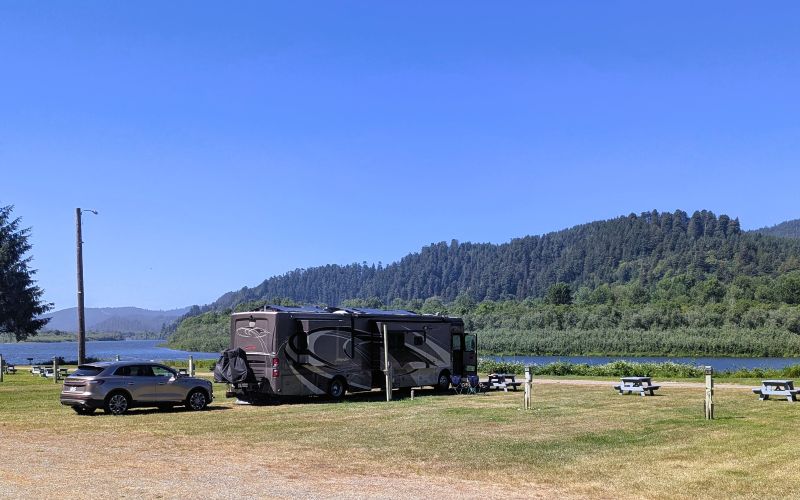
The photo above is of our campsite at Klamath River RV Park. Since our plumbing broke, we didn’t have water and had to use their bathrooms.
Not plumbing
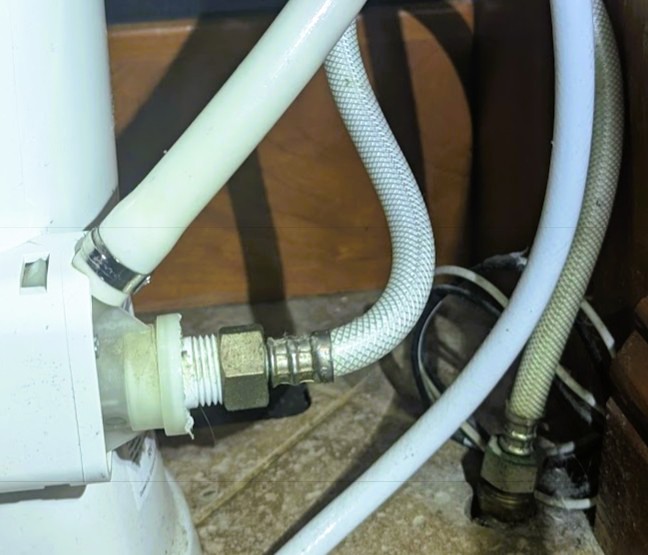
This junk, even though it is a combination of plumbing parts, isn’t plumbing and would never pass code on a house. I hesitate to call it plumbing because it is a mixture of improperly connected plumbing parts and some plastic hoses. I was a Cool-Aid drinker and thought the RV manufacturer knew more than I did, but I was wrong.
It is easy to admit you are wrong when a plumbing fixture sprays an uncontrolled stream of water in your RV. It soaked the carpet. Including the carpet under my shower. Who thinks it is a good idea to have carpet under a shower? It isn’t that everything in my RV is junk, but the corners cut during the build resulted in junk hidden behind beautiful cherry cabinets.
We have carpet under the shower and under some walls because the RV’s floor and walls were installed before the shower. After the flooring was put on, the shower was set on top of the carpet. In the rest of the bath, we have tile, which was also installed before the shower. It would have been better to have tile under the shower than carpeting. Getting this to dry out will be a challenge. We are heading to much drier parts of the West in the summer, so it might dry out. I hope.
I didn’t have a drip
Instead, I had a hose disconnect from a fitting. That is right. Disconnected. Not attached. It was like a hose was run through my window and turned on. At one point, at the casino parking lot (our campground), we had water running down the street. The only reason it didn’t continue to run was that we were home and were able to turn it off, limiting the quantity.
Here is the story
It was late in the afternoon, early evening on May 28, and I was taking a shower. Actually, I had just finished showering and was getting dressed for the rest of the evening. We were at the Bear River Casino parking lot in Fortuna, California (link below). We had arrived early in the day and went over to my daughter’s house to pick up one of our grandchildren. We don’t get to see them often enough, and we took our second grader out to the mall to do some shopping and spoiling. We were in the casino parking lot for three days.
One of the things about how I operate my RV is that we never use city water pressure, which is merely a bunny trail and not germane to the central storyline, but of course, in a casino parking lot, we didn’t have water, electric, or sewer services.
The reason we don’t use city water is that we want to keep replacing the water in our storage tank with fresh city water. Now, as a caution to my readers, had I been using city water to pressurize my RV and not been home, I would have had an unlimited leak of an unknown quantity of water. Still, during my leak, since I turned off the pump as fast as I could reach the button, we had a leak big enough to cause a minor problem getting dried back out.
If I had had the same leak when we were not home and had failed to turn off the pump before we left, I would have had a 100-gallon leak. Even though the pipe was completely broken because I turned the pump off in less than a second, our leak was perhaps a half-gallon in just a few seconds.
In our bathroom, we have five pipes that could have broken. One goes to the toilet, two to the sink, and two to the shower. Even though I could hear the pump on and water flowing, it wasn’t gushing out of the cabinet under the sink, nor was it obviously behind the toilet. The first place I checked was the shower. This requires first checking behind the shower. We have a 6-inch access hole (on the exterior wall) behind the shower hot/cold mixing valve, just for this purpose. In a house, there usually won’t be an access hole; instead, you will probably have to cut some drywall or maybe chip out some tile.
I also heard a pop and water running while I was in the bathroom, and it sounded like it was coming from behind the shower. The shower was the most likely location of the problem. So I went outside after I found the key to the access door and opened it up.
Our previous leak behind the shower
Previously, in 2022, I had already repaired a leak at the mixing valve behind the shower, so that was the first place I investigated. That story was a lot like this one, except that behind the shower, the hose popped off the swivel fitting connected to the mixing valve, causing the previous leak. The previous leak happened just as I was getting into bed, and, just like this time, I got the pump off quickly.

If your RV has hoses connected to PEX fittings, you’d better have a plan to replumb the entire thing, and it won’t be easy.
PEX “A” and PEX “B”
In the plumbing world, there are two types of pipes made of cross-linked polyethylene (PEX).
PEX-A: The most flexible and most freeze-resistant. It utilizes a cold-expansion fitting method.
PEX-B: Stiffer, more coil memory, and primarily uses crimp or clamp connections.
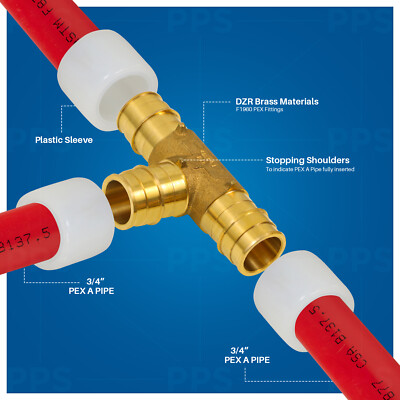
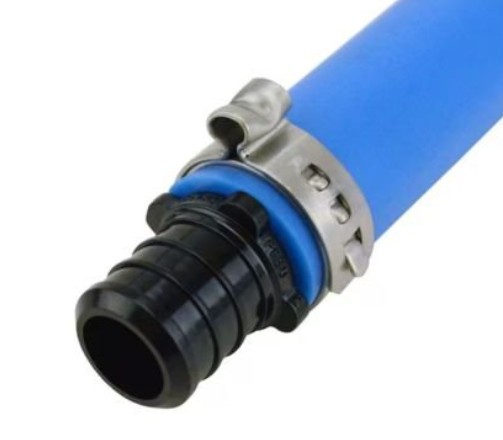
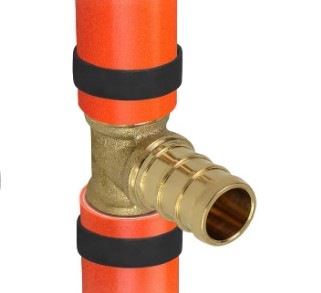
To make a PEX B fitting, you use a special tool to tighten the clamp. I have one of these tools for the stainless steel clamps, but not one for the copper crimps. Here is a photo of the tool I use for my plumbing repairs.
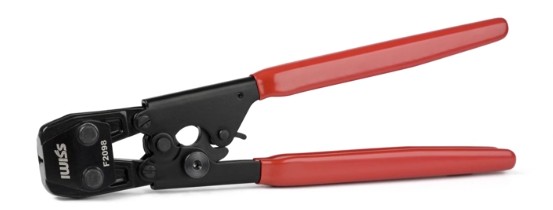
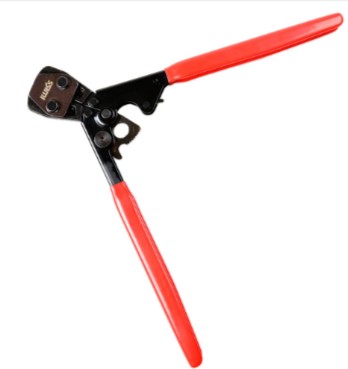
I got this tool when making some connections for my whole-house water filter and water softener. Here is a link to that story. Super-Sized RV Water System
If you go to the linked story, you will see that just like the manufacturer, I incorrectly used hoses and PEX fittings for my connections. The difference in my plumbing, the water filter, and the water softener is that the water is cold and never under pressure. I think I already told you that I only use city water to fill my RV’s freshwater tank, and then I use my pump to deliver it to my sinks and shower.
Back to the story
Notice that I said it was a hose that popped off a fitting. If you don’t know, hoses are not plumbing. Occasionally, you will connect an appliance to some plumbing using a special hose that is not inside the wall. In your house, you will not find any hoses hidden in the wall. Hoses are not plumbing.
During our previous leak, the problem was obvious (see the photo above of my mixing valve behind the shower). The hose connected to the swivel fitting on the mixing valve was not connected properly, and when it broke, water shot up to the top of the shower in the cavity behind it, then fell to the floor under the shower.
Our new leak was horrible.
It was obvious as soon as I opened the access door that the leak was not at the mixing valve behind the shower. Just to check, I took off the swivel fitting from the mixing valve. I knew the problem wasn’t at the top of the hose; it was at the bottom. I told Tami that this was a disaster, predicting the extent of the problem and the difficulty of the repair. Would we have to move out of the RV and remove the shower? Once disconnected from the mixing valve, I was able to remove the 3-and-a-half-foot-long hose through the access door. It wasn’t connected to anything.
Why was there a hose inside the wall behind my shower?
The reason I heard that RV manufacturers use hoses and call them plumbing is that pipes, even plastic ones, are rigid, while hoses are very flexible, so the motion and vibration of the RV don’t cause leaks. It sounds reasonable, except that the reasoning is faulty. PEX A hoses are plenty flexible enough to absorb any vibrations. Instead, they use hoses, or if you are lucky, PEX B pipe. The reason they choose PEX B over PEX A pipe is so they can attach hoses to the PEX B fittings and call it plumbing.
Nearly all RV manufacturers, including my luxury RV manufacturer (Tiffin), use hoses and call it plumbing because they make building an RV easier, require less labor time, and lead to higher profits. The big problem isn’t that they used a hose, but that they connected it to my RV plumbing fittings without the correct barbed hose fittings.
If RV manufacturers want more flexible plumbing, then they should have used PEX A pipe, not hoses connected to PEX B fittings. PEX A pipe is also better if the pipes freeze, and it doesn’t (usually) break due to water expansion when it freezes.
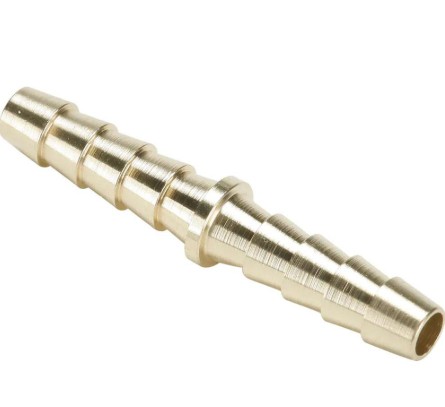
Since my forced deep dive into the correct way to plumb an RV and attach hoses to the plumbing, I’ve learned that there are fittings designed to transition between PEX B pipe and hoses. Some day I might buy one, but I am never going to be able to completely replace the plumbing under my shower, so I am living with a time bomb. Since I fixed my hot-water time bomb when it detonated last week, I have a cold-water time bomb that could go off at any time. How many other plumbing time bombs are in my RV? I can’t answer that.
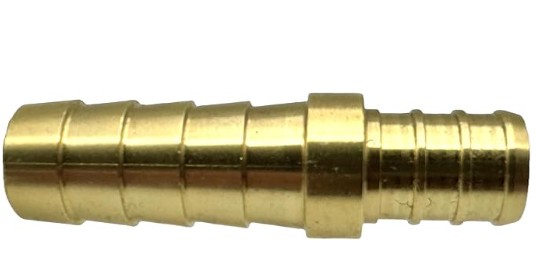
Not only was my hose connected to my plumbing using incorrect fittings, but the hose that failed was connected to the hot water system. My hose was distorted and swollen, much larger than when it was new. It was going to fail at the fitting and had zero chance of not failing. I figure my water temperature is about 130 degrees farenhite at about 55 psi when using my pump and 60 psi when hooked to city water pressure. My PEX plumbing pipe in my RV should last forever.
The PEX “B” piping, according to ASTM F876, should withstand up to 210°F at 150 psi for up to 30 days. You can’t expect numbers like these for 1/2-inch nylon-reinforced hose. Plastic push-to-connect or insert fittings may have their own temperature limits, often lower than the PEX tubing itself. These numbers assume correct installation.
Connecting a nylon reinforced hose to a PEX pipe fitting not designed for it isn’t allowed because the connection isn’t secure. My nylon-reinforced hose blew off my copper PEX pipe fitting, which was connected with a stainless steel clamp ring. The hose blew off the fitting before the pipe failed because the nylon-reinforced hose isn’t designed for use with PEX pipe fittings, regardless of the clamping method used.
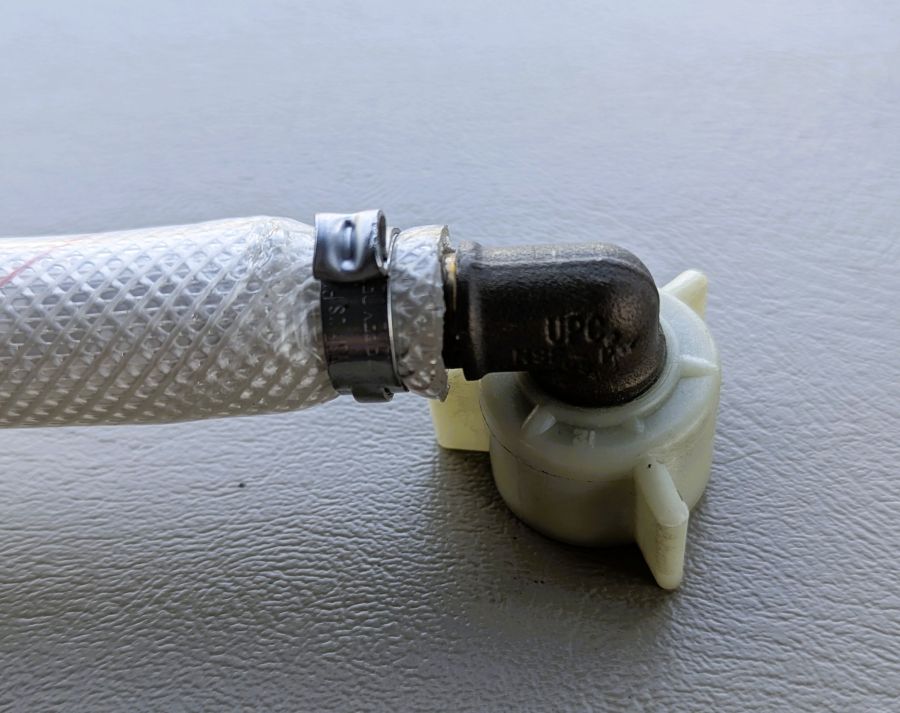
It wasn’t the installer, and now I know better and blame the “engineer” who decided that attaching a hose to a PEX fitting would work. Your RV almost certainly has hoses just like this attached to PEX fittings. If the connection on the other end of this hose had not failed, this connection would have failed. It was only a matter of time.
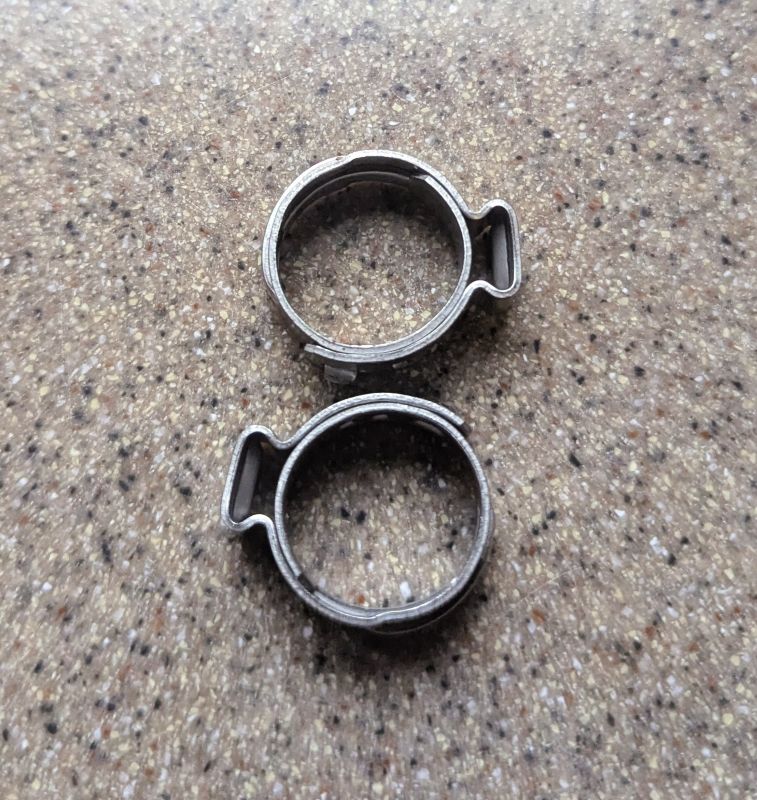
My RV plumbing time bomb.
It is very sad that Tiffin made me a time bomb and then hid it inside the wall. The time bomb took 18 years to detonate, but it would eventually detonate. Hoses are not plumbing, and hoses won’t last as long as plumbing. Replacing my hose with plumbing took five days, and dismantling my RV was way beyond difficult.
My freshwater plumbing system
My hot/cold water system piping is very simple. Here is a diagram without some of the parts that don’t add to the story.
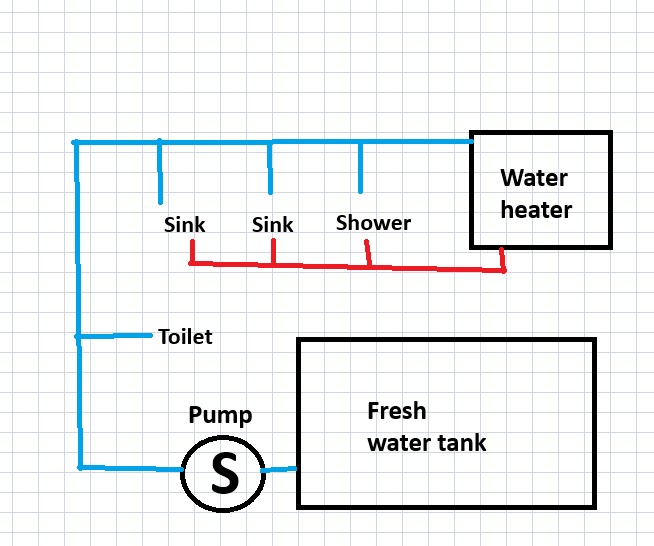
Water exits our freshwater tank, is pumped through the water heater, and then distributed to the different mixing valves. At each sink and shower, we can use hot or cold water, or mix them to achieve the desired temperature. The leak was at the T-fitting off the main hot water line to the shower. If you look at this diagram, you should be able to tell that a leak, anywhere in the system, cannot be stopped without turning the pump off. If you pressurize the system, it will leak and continue leaking until the pressure is released.
A leak will make the entire system unusable. You cannot shut off part of the system and continue using the rest. Modern houses and some more modern RVs have a manifold system that, if there is a leak, lets you shut off the plumbing to the branch with the leak, isolating the problem. Not a possible solution for my RV.
Back to the story
We were in Fortuna to spoil our grandchildren a little, and the casino let us park our car in their lot for three nights. Now we had a problem. No water, nada, zilch. I had a hundred gallons in the freshwater tank, but turning on the pump would trigger a flood. So we went to the bathroom and ate meals in the casino, and I used every spare minute to try to find the source of the leak. I knew by the length of the hose I pulled out of the wall that the leak was directly over the rear-wheel well and 9 inches above the floor inside the wall behind the shower. Could the location be any worse?
Our shower is a one-piece fiberglass unit that would easily fit in a house, and it drains into the greywater tank. The shower was installed in the RV before the exterior walls were put up and before the roof was put on. The drop from the shower floor to floor level is about 4 inches.
There are no access holes in the bathroom, but if I removed the hot-air duct that heats the bedroom from our propane furnace and managed to move the ducting, I might be able to see the faulty fitting. One of the issues is that the furnace duct was at floor level, but the leak was above floor level. The other problem is our bed. The bed is eleven inches from the wall, limiting my workspace.
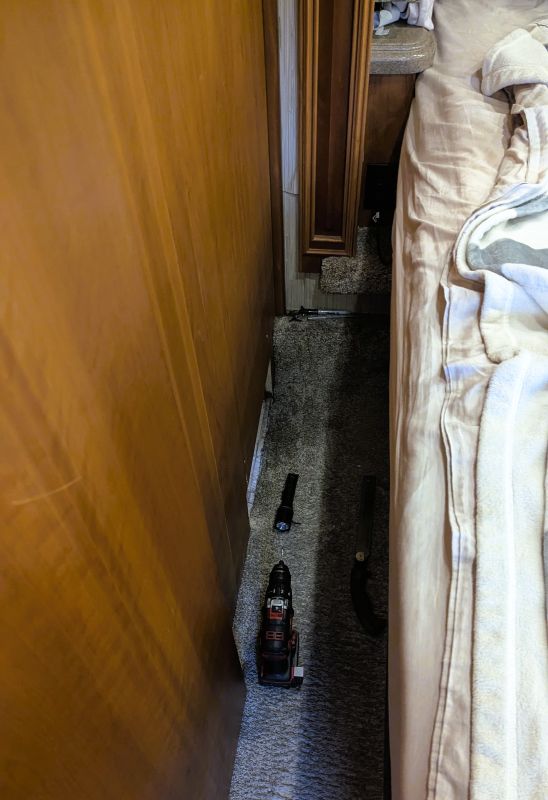
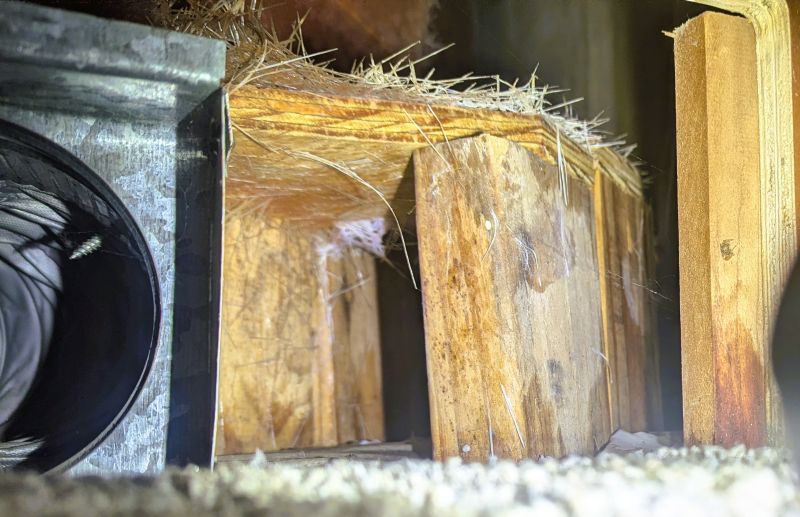
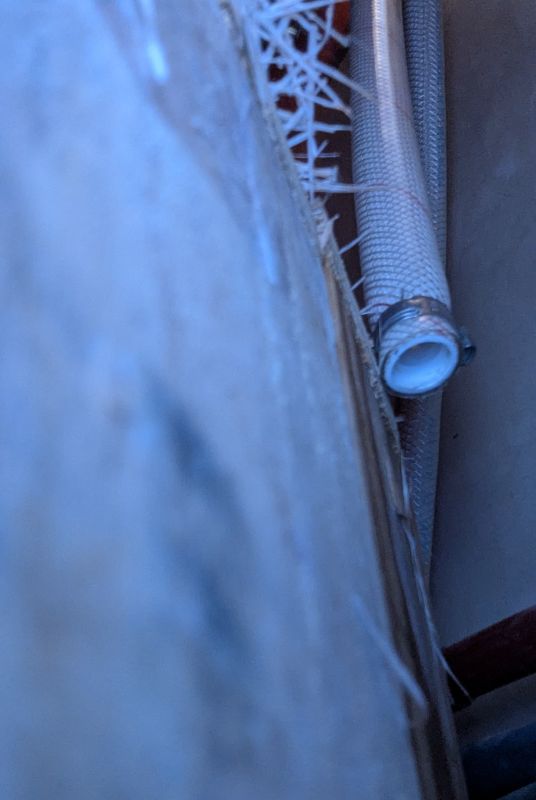
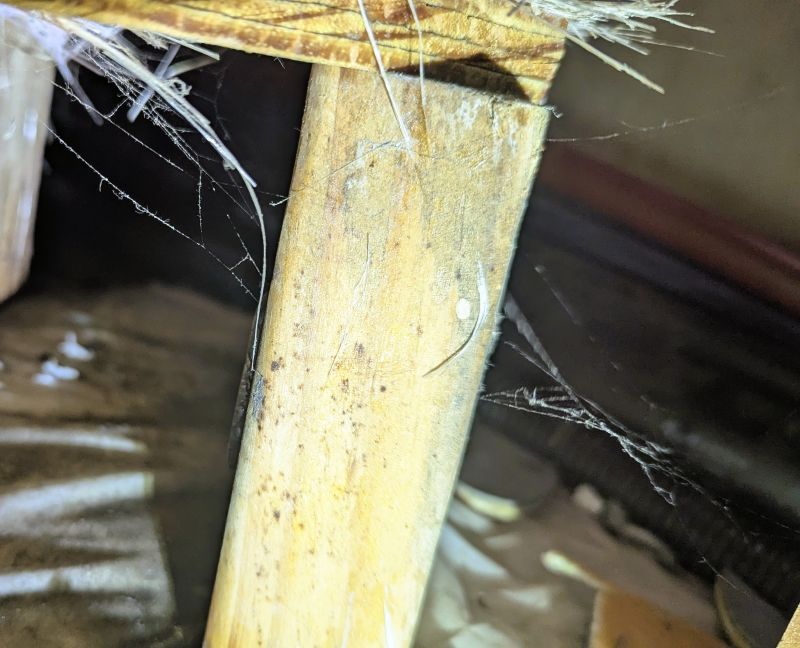
As a side note, the location of these pipes is one reason my RV isn’t well-suited to cold-weather camping.
If I were to make the repair through the access hole, I would have to do it while lying on the bed with my arms in the hole. Since the broken pipe was above floor level and the heat duct was at floor level, I moved the heat duct out of the way and set out to enlarge the hole and remove some of the support blocks that the shower sits on.
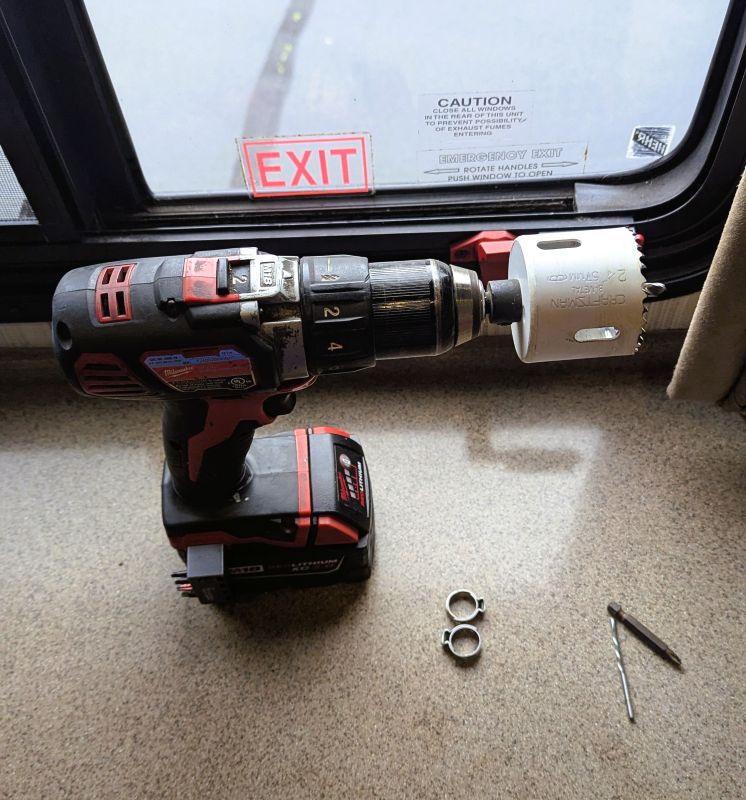
One of the complicating factors was that the bed sits on a box, with a storage area under it. The bed also moves in and out of the RV when we extend and retract the slide room.
We couldn’t immediately remove the bed and the underbed storage box because we still needed a place to sleep, even though Tami mentioned the hotel more than once. We could have stayed in a hotel room at the casino and then worked on the RV each day in the casino parking lot.
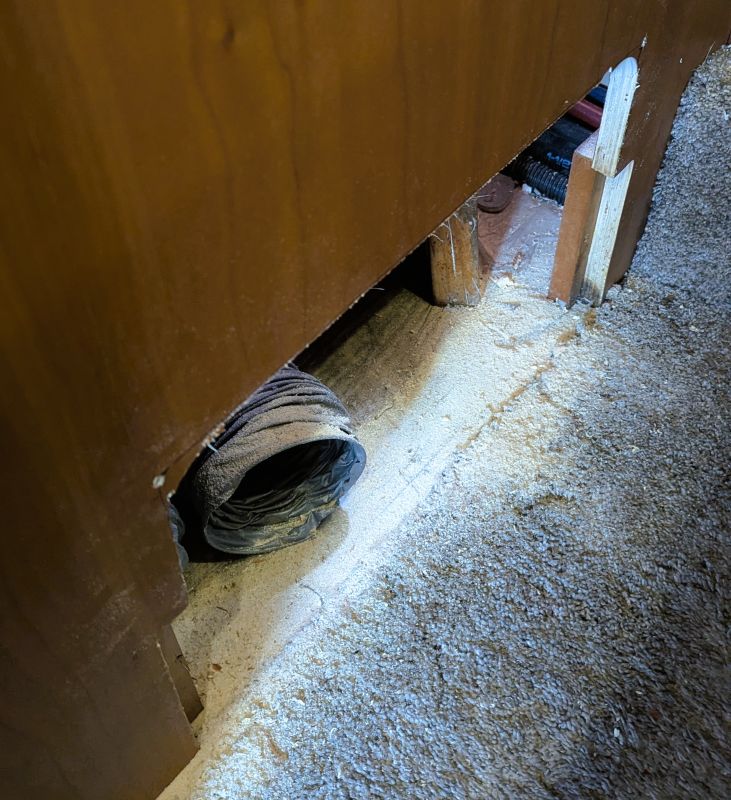
Perhaps removing the bed immediately could have saved a day or two off the repair, and at least it would have given me more room to work. One of the special tools I used to see the problem was the snake camera, a tiny camera that hooks up to my cell phone and that I could snake down through the wall. The first time I actually saw the fitting without the hose attached was while using the snake camera.
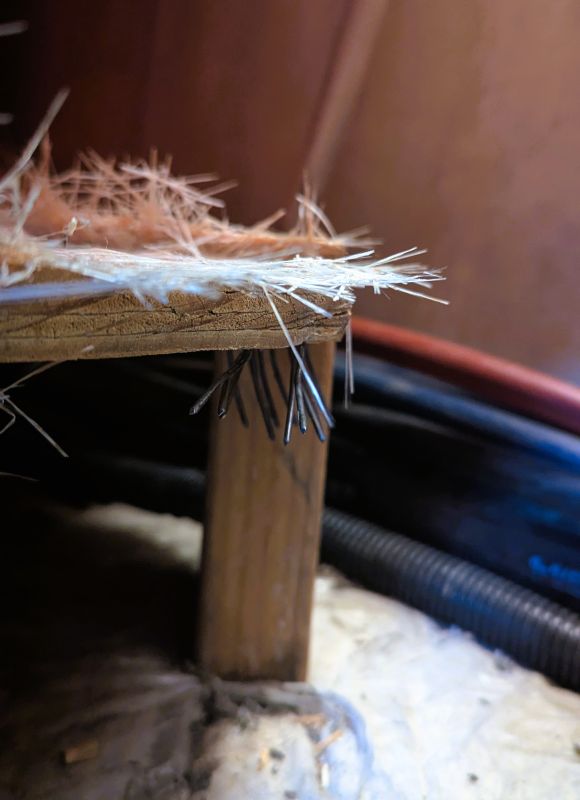
Even though I could reach into the hole at this point and somehow follow the hot water line to the fitting, I couldn’t see it. I was very discouraged to find out it was so deep under the shower, and the only way to fix it was to remove a second support block.
I got the snake camera while working on our previous problem, which you may remember, and I am trying to forget. In 2024, we had a leak from the plumbing on the top of our black tank. In 2024, the snake camera proved worthless, but this year, if I wanted to see the problem, it was the only way. Our black tank failure is another story about horrible plumbing. Here is a link to the story about our black tank repair. Fixing our RV Black Tank Nightmare
After fixing our black tank, I did some more plumbing remodeling, which led to remodeling our wet bay, where we gained much more storage space above the black and grey tanks. Here is a link to that story. Remodeling my RV wet bay
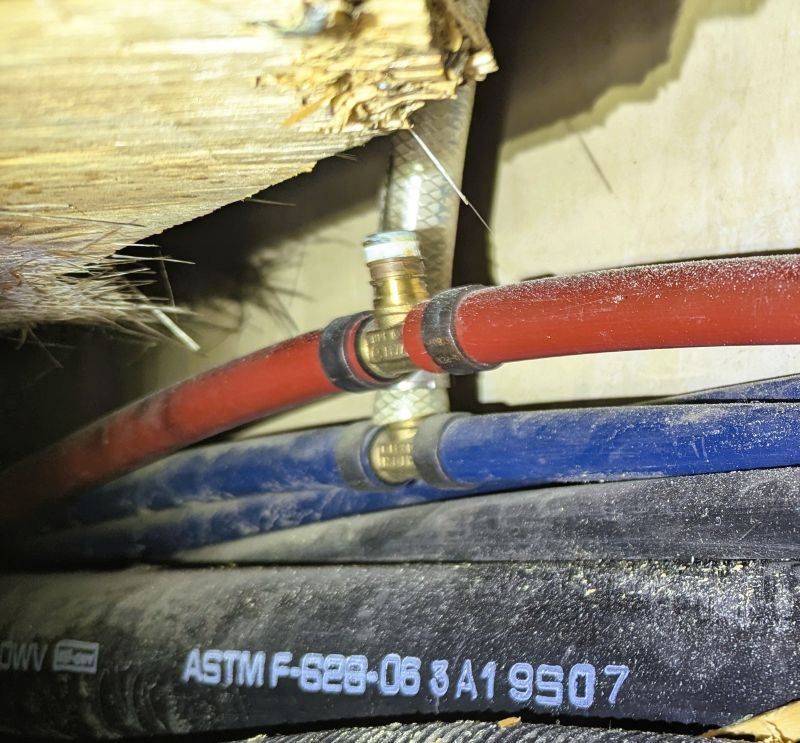
You can also see that I removed all the nails, I lost count of the number) and in the process, mangled the corner of the plywood under the shower. Actually, I think I did a pretty good job, working only with my left hand in the shower while lying across the bed, without being able to see what I was doing. It took forever to accomplish, and I don’t know how I did it. I had to stop work multiple times to clean up the blood and patch the holes in my hand.
Even though the snake camera didn’t find the plumbing leak in our black tank in 2024, it was very valuable in helping me find it this year. I tried my snake camera again yesterday, and the little lights on the front failed. I guess it was a one-time-use device. (Revision…. it was operator error, the lights still work.
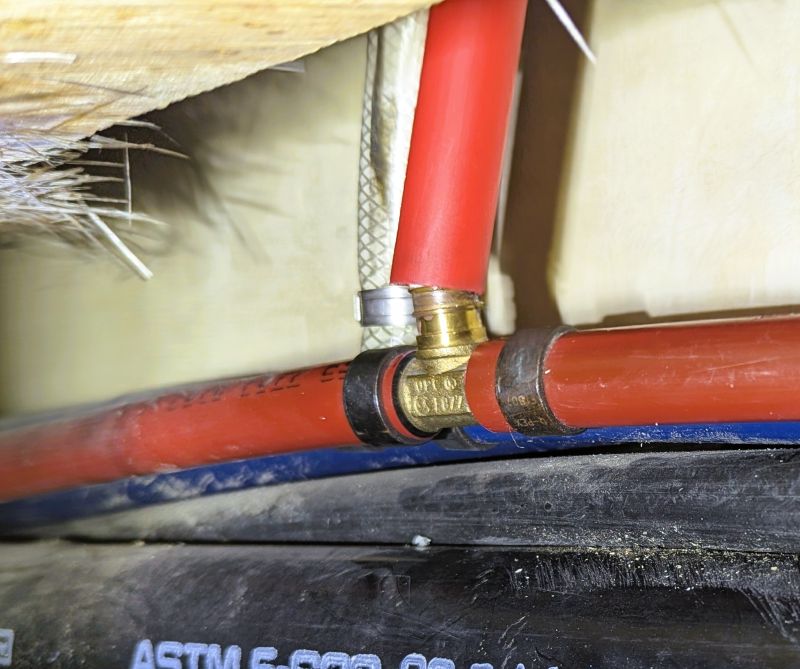
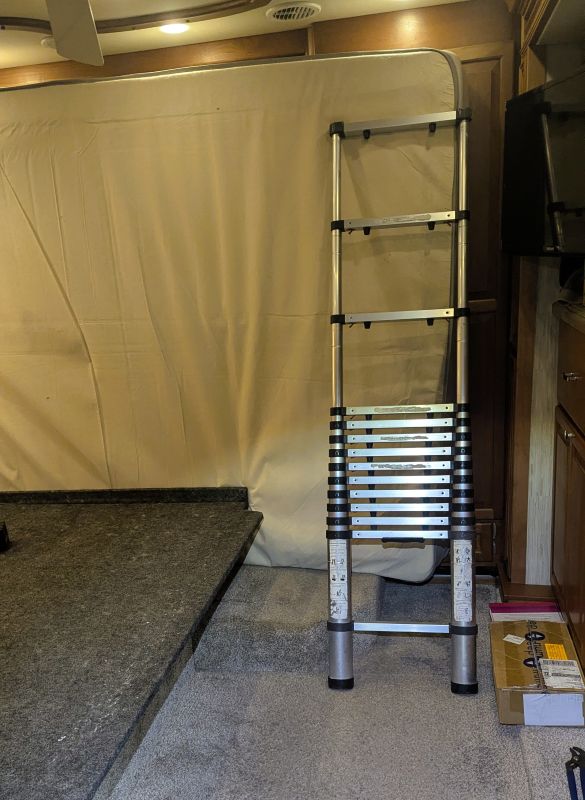
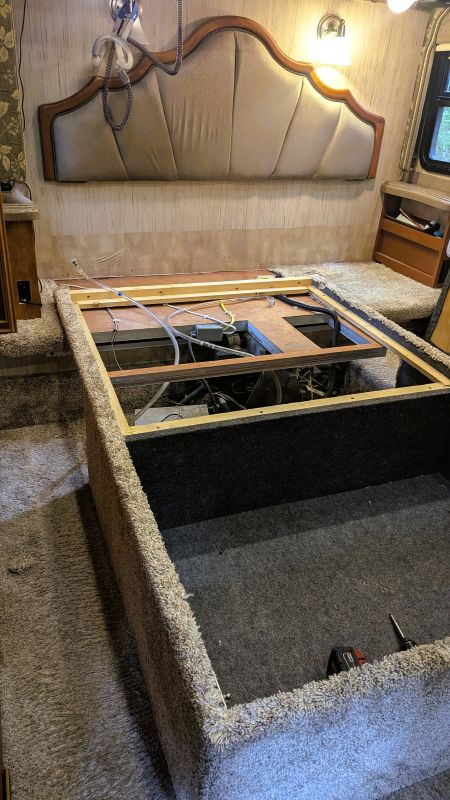
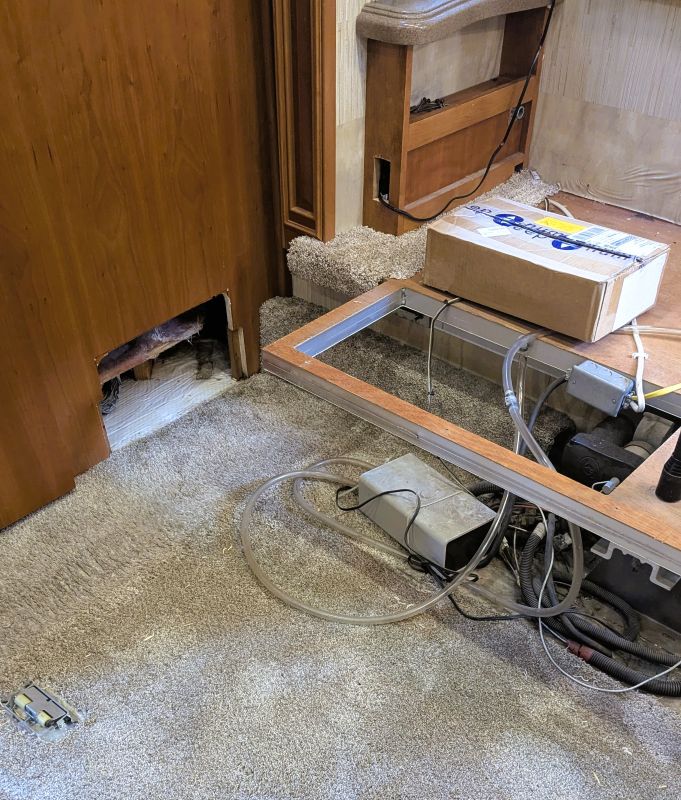
This was at about noon on day five of the project to replace the hose with a nice new red pipe. Unfortunately, my tool was too big for the area under the shower, and after fighting with that one stainless steel clamp, I gave up and called Ryan, an RV Tech in Brookings. I had been sending Ryan progress photos for three days. I tried to get a plumber to come out, but they refused to work on RVs because there is not enough room.
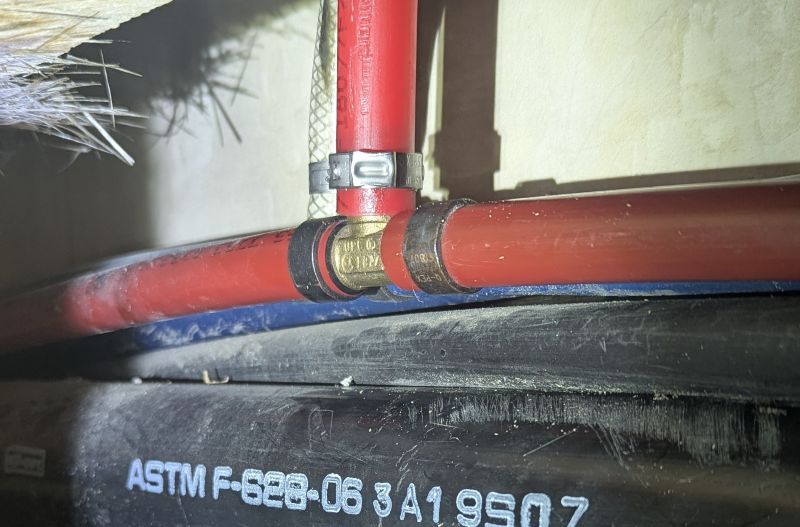
Brookings, Oregon, isn’t big enough to have a Home Depot or Lowe’s, but it did have a home center. Maybe I could have purchased a smaller tool if Ryan’s PEX tool had been too big, as mine was. I think Ryan showed up partly out of pity and partly out of curiosity after seeing all the photos I sent to him. If you need an RV tech in Brookings, Oregon, he helped me and even tried to ease my pain by telling me he’s seen worse. Then I told him about my black tank leak.
Putting it back together
After making and testing the repair, I still had a lot of work ahead of me. The first step was to fashion a stack of 2x4s to replace the removed supports. Then, since the bed was still out of the way, I could put the heating ducts back together and also replace the vent cover. Then came rebuilding the bed before it was time to go to bed. It wasn’t until the next day that I reloaded the storage box under the bed.
Please subscribe and join us on our journey
We will add you to our email list and send you updates once a week. Here is a link. Subscribe
About our links
As you know, our blog income is zero – this allows us to be independent and just tell the truth. We do not get income or commissions. No, we don’t make paid endorsements. We don’t make recommendations, but instead, we will tell you what we like (or dislike). The links are only provided as a quick reference to help our readers.
Links
IWISS Ratcheting PEX Clamp tool.
Ryan’s Mobile RV Repair (541) 251-4014 cell
About Comments
We love seeing your comments, but they are not automatic. I get about 20 spam comments every day, so I don’t allow automatic comments. I read and personally publish every comment to protect the blog and keep it on topic and real. So what this means for you is that you will not see your comment right after you hit submit. Sorry for the delay in publishing your comments. Please know that we love hearing from you.
Sorry to hear that. The RV manufacturers do distribute a lousy product. And make a fortune doing it.
I’ve spent MANY nights at the Bear River Casino parking lot in multiple transits south to visit family and north returning home to Waldport…..
Speaking of Waldport, should you decide to go north a bit on 101, you should make it a point to stop for lunch and say “Hi” to my wife, Diana, at the Cafe Chill! She founded that business a couple years ago and it has become the social center point for the community.
North on 101, you will want to turn right at THE stoplight, then go about two blocks and turn left just prior to Rays Food Place…you’ll see it on your left. Tell her I’ll be home soon….
Remember, RV’s are a good hobby….
Now call the ball….
Buflo sends!
RV plumbing is definitely an adventure. I have 8 different leak monitors in my coach
Oh wow! So sorry you had to deal with this, and glad you knew how. Now I know who to call if we have plumbing problems.
You can call Scott for all your problems.
Really surprising they cut corners like that. Or, I guess I wouldn’t really call it cutting corners, maybe, but bad engineering. They should know better. It is hard to trust manufacturers, but I would have for sure expected better from Tiffin.
Scott, I have also had some plumbing problems with our shower on our 32-foot gas model Tiffin. But, unlike yours, I found an access underneath the chassis that was available when I removed the dual wheels on the passenger side. A couple of things threw me for a short time until I realized that the pipe included a bladder to eliminate gray water odor from seeping up through the shower drain. Also, the curved pipe was shorter for a motorhome due to the limited space under the shower. The problems we encounter! Chuck
Perhaps the only good thing about my plumbing ordeal was that I found out that I have a P-trap rather than your Hepvo valve. This means that I can use a plastic “hook” to probe for trapped hair in my P-trap. You, however, need a different plan and can only use a plunger, but only on the push stroke. Don’t ever stick anything into the Hepvo valve; it will damage the rubber seal.
PEX type A has two problems. First, the expansion tool is very expensive. Second, because the pipe size is larger than PEX B, the two are not interchangeable. More RVers and RV repair people have the tools for PEX B; only a few have tools for PEX A.
PEX-to-hose connections are horrible and should never be used. I would even add that, since hoses expand when filled with hot water, they should never be used on the hot water line.
You were lucky… too many RVs have been completely destroyed by incorrect hose-to-PEX fittings.
Your issue is indeed a common one. RV manufacturers often use PEX fittings on non pex hoses. I know it’s crazy! I have seen it in other brands of RVs too – that’s why I added to my collection of parts that carry with us- a variety of hose clamps in different sizes – just to replace ones that start leaking.
I had an older Rockwood where I could not get the doggone plumbing to quit leaking at the water heater, and it ended up ruining the cabinets, which were simply “sticker board” where the lumber core (compressed garbage) is wrapped to look like real wood. This was most apparent as you walked through the door and were at eye level with the disintegrating cabinet
Pingback: Our spectacular 2026 spring trip. - FoxRVTravel